3313 W Commercial Blvd, Suite 130, Tamarac, FL 33309


A Simple Fix for Small Imperfections
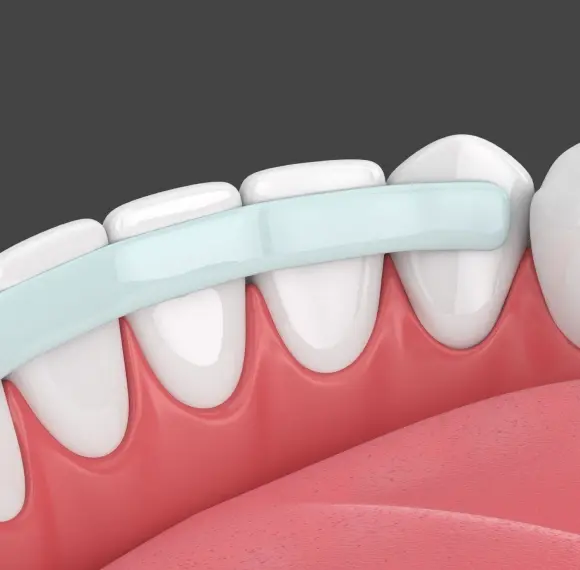
Dental bonding uses a tooth-colored composite resin to repair chips, close small gaps, correct discoloration, or reshape a tooth, all without the need for more extensive treatment. The material is applied directly to the tooth, sculpted into the desired shape, and hardened with a curing light, creating a seamless improvement to your smile.
At Goodshine Dental, bonding is one of the most efficient cosmetic treatments we offer, often completed in a single visit with no need for anesthesia in most cases. It is an excellent option for patients looking to make a noticeable improvement to their smile without a lengthy or costly procedure.
Schedule a Bonding Consultation
What Is Dental Bonding?
Dental bonding is a cosmetic dental procedure that uses a tooth-colored composite resin, the same durable material used in composite fillings, to repair or enhance the appearance of a tooth. Unlike veneers or crowns, which are custom fabricated in a lab and bonded to the tooth afterward, bonding material is applied directly to the tooth and shaped by hand during your appointment.
Because the resin is sculpted and hardened in place rather than pre-made, bonding allows for quick adjustments and a same-visit result. It is considered one of the simplest and most conservative cosmetic treatments available, making it a popular starting point for patients looking to improve small imperfections without committing to a more involved procedure.
What Makes Bonding a Smart Choice
- Fast results. Most bonding treatments are completed in a single appointment.
- Minimally invasive. Bonding typically requires little to no removal of natural tooth structure.
- Budget-friendly. Bonding is generally one of the more affordable cosmetic dental treatments available.
- Versatile repair option. Bonding can address chips, gaps, discoloration, and minor shape irregularities.
- Natural looking results. The composite resin is shaded to match your natural teeth for a seamless finish.
How Dental Bonding Works, Step by Step
The bonding process is straightforward and typically completed in one visit.

Keeping Your Bonded Tooth Looking Its Best (new, service-specific)
Bonded teeth require a bit more care than natural enamel, since the composite resin can be more prone to staining and chipping over time. Avoiding habits like biting fingernails, chewing ice, or using your teeth to open packaging helps protect the bonded area from damage. Limiting foods and drinks known to cause staining, such as coffee, red wine, and tea, can also help the bonding material keep its color longer.
If bonding does become chipped or discolored over time, it can typically be touched up or reapplied without needing to redo the entire treatment, making it a low-maintenance option for long-term upkeep.
Is Dental Bonding Right for You?
Dental bonding may be a good fit if you have:
- A small chip or crack in a tooth
- A minor gap between two teeth you would like closed
- A tooth with slight discoloration that does not respond to whitening
- A tooth that is slightly shorter or misshapen compared to surrounding teeth
- A desire for a quick cosmetic improvement without more invasive treatment
For more significant damage or larger cosmetic changes, a crown or veneer may be a better long-term option, which we can discuss during your consultation.
A Quick Way to Refresh Your Smile
Small imperfections do not have to hold your smile back. Our team at Goodshine Dental can help you determine if dental bonding is the right way to make a quick, noticeable improvement.
Book Your Dental Bonding Appointment