3313 W Commercial Blvd, Suite 130, Tamarac, FL 33309


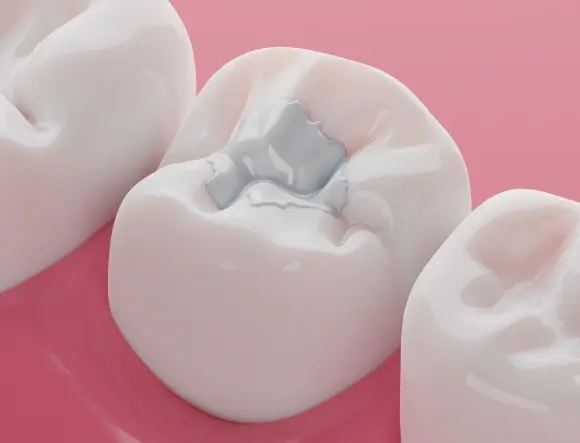
A Modern Fix for Cavities
Composite fillings are a tooth-colored material used to repair teeth affected by decay, chips, or minor fractures. Unlike traditional silver amalgam fillings, composite fillings are custom shaded to match your natural tooth color, making them virtually undetectable once placed.
At Goodshine Dental, composite fillings allow us to treat cavities while preserving as much of your natural tooth structure as possible. The material bonds directly to your tooth, providing a strong, durable repair that restores both function and appearance in a single visit.
Schedule a Filling Consultation
The Advantages of Choosing Composite
- Blends with your smile. Composite material is shaded to match your natural teeth, so fillings are barely noticeable.
- Preserves more tooth structure. Composite bonds directly to the tooth, requiring less removal of healthy enamel compared to older filling materials.
- No mercury content. Composite fillings do not contain the metals found in traditional amalgam fillings.
- Versatile repair option. Composite can be used to treat cavities, repair chips, and close small gaps between teeth.
- Completed in one visit. Most composite fillings are placed and finished during a single appointment.
Replacing Old Metal Fillings
Many patients come to us wanting to replace old silver amalgam fillings with a more natural-looking composite alternative. Beyond the cosmetic improvement, older metal fillings can expand and contract with temperature changes over time, occasionally leading to small cracks in the surrounding tooth structure. Replacing an aging filling with composite not only improves appearance but can also address any wear or damage that has developed around the original filling.
If you have metal fillings that are visible when you smile or laugh, or if you simply prefer a mercury-free option, ask us during your next visit whether replacing them with composite makes sense for your teeth.
How We Place a Composite Filling
Placing a composite filling is a comfortable, efficient process.

Signs You May Need a Filling
You may need a composite filling if you are experiencing:
- Tooth sensitivity to hot, cold, or sweet foods
- Visible dark spots or holes in a tooth
- Pain when biting down on a specific tooth
- A cavity identified during a routine exam or X-ray
- A chipped or mildly fractured tooth
Cavities are not always painful in the early stages, which is why routine exams and X-rays play an important role in catching decay before it progresses further.
Keeping Your Filling in Good Shape
Composite fillings are durable, but a few habits can help them last as long as possible. Avoiding excessive force from habits like chewing ice or biting fingernails helps prevent chipping at the edges of the filling. Regular brushing and flossing around the filled tooth also help prevent new decay from forming at the margin where the filling meets the natural tooth, an area that remains susceptible to future cavities if oral hygiene slips.
Routine dental checkups allow us to monitor the condition of your fillings over time, checking for any wear, staining, or minor gaps that may need attention before they become bigger issues.
Repair Your Smile Naturally
A cavity does not have to mean a noticeable filling. Our team at Goodshine Dental can help you repair decay with a composite filling that blends seamlessly into your smile.
Book Your Filling Appointment